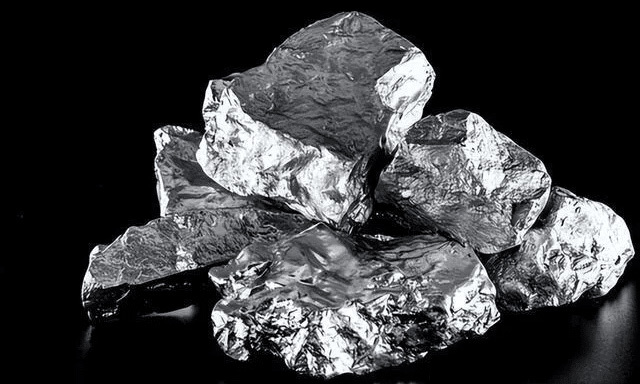

Tannins precipitate germanium
Tannin-precipitated germanium is a relatively unique technology for enriching and recovering germanium metal in China. This technique primarily uses tannic acid—a precipitant—to complex and selectively precipitate germanium from the leachate of zinc oxide dust, effectively separating and concentrating it. The resulting tannin-germanium residue boasts high-grade purity, making it easy to proceed with subsequent processing and purification steps. Moreover, this method achieves a remarkably high metal recovery rate, which has led to its widespread adoption in germanium metallurgy.
Tannic Acid Ore Dressing
As a natural organic inhibitor and dispersant, it is widely used in the flotation separation and precipitation processes of various minerals. Its mechanism of action primarily relies on the selective complexation with metal ions and the adsorption properties on mineral surfaces. For instance, tannic acid inhibits gangue minerals by selectively adhering to the surfaces of quartz, calcite, dolomite, and other gangue minerals, rendering them hydrophilic and thus preventing their flotation. Additionally, tannic acid suppresses pyrite oxidation: acting as an environmentally friendly, natural passivator, it effectively inhibits the oxidation of pyrite, significantly altering the mineral's surface characteristics. This makes it a promising new approach for treating acidic mine drainage (AMD).