
In the production process of lyocell fibers, an antioxidant is required, and propyl gallate is the only viable option.
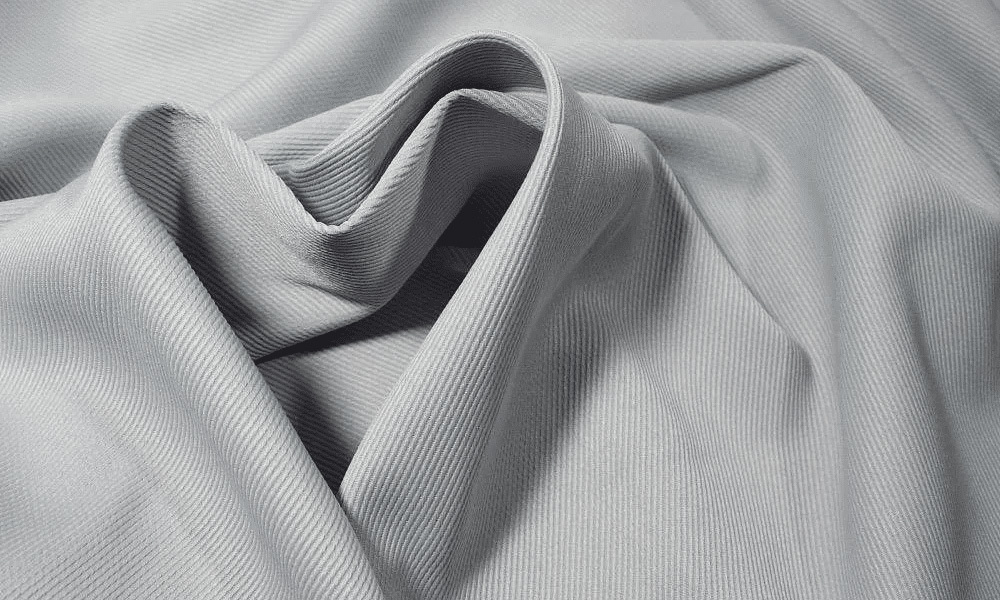
Lyocell fiber, made from natural plant fibers (such as crushed, renewable materials like bamboo and wood that are turned into pulp), emerged in the mid-1990s and has been hailed as the most valuable product in the history of man-made fibers over the past half-century. It combines the comfort, excellent hand feel, and easy dyeability characteristic of natural cotton fibers, while also offering eco-friendly advantages that traditional viscose fibers lack. Importantly, the production process involves no chemical reactions, and the solvents used are completely non-toxic.
"Lyocell" fiber, thanks to its advanced manufacturing process, achieves a solvent recovery rate as high as 99.7%. This not only makes it energy-efficient and environmentally friendly but also ensures sustainable development. Garments made from this fiber boast a natural luster, a smooth and silky feel, exceptional strength, and virtually no shrinkage. Additionally, they offer excellent moisture permeability and breathability, making them an ideal choice when blended with wool for superior fabric performance.